
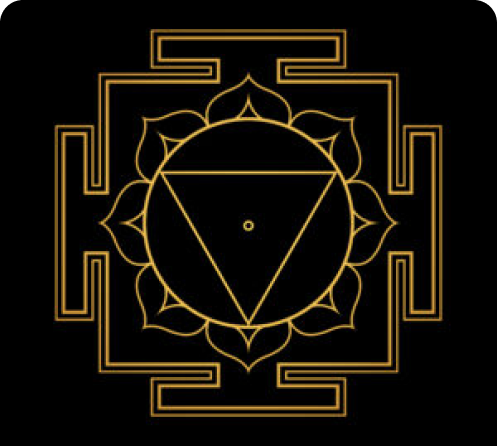
As A Maa MahaVidya Form Of Maa Maha Kaali, Maa Tara Embodies Fierceness, Protectiveness, And Compassion, Guiding deserving devotees towards spiritual liberation.
As A Maa MahaVidya Form Of Maa Maha Kaali, Maa Tara Embodies Fierceness, Protectiveness, And Compassion. Maa Tara Fiercely Protects The Divine Mother's devotees from the darkness of ignorance and the delusions of ego. Maa Tara’s Compassion Is Boundless, Guiding deserving devotees to navigate through life’s tumultuous challenges and cutting through obstacles By The Divine Blessings. By embracing the sincere worship Of Maa Tara, devotees may embark on a transformative journey towards spiritual liberation, where they can transcend worldly attachments and realize The True Self.
Origin Myth About The Emergence Of Maa Tara As Maa MahaVidya, Embodying Fierceness And Imparting The Wisdom Of Transformation Upon deserving devotees
The worship Of Maa Tara has roots at least as ancient as the vedas. A myth originating from various puranas such as The “Devi Bhagavata Purana” and The “Kalika Purana”, and from various tantras dedicated To The worship Of Maa Das MahaVidya, narrates the story Of The Divine Mother As Maa Sati And The Divine Transformation Into Maa Das MahaVidya, first As Maa Kali And later As Maa Tara.
As per The Origin Myth, when lord shiva forbade Maa Sati From Attending The Divine Mother's father’s Sacred yajna, Maa Sati Grew Furious And Transformed Into The Formidable And Fierce Form Of Maa Kali. This Sudden Transformation caused lord shiva to flee. Subsequently, Maa Sati Emerged In The Divine Form Of Maa Tara.
Maa Tara Is Depicted In A Blue Complexion, With The Divine Protruding Red Tongue And A Face That Instills fear. Maa Tara Is Depicted With Disheveled Hair, Resembling upright snakes. Maa Tara Is Adorned With a tiger’s skin, With The Divine Forehead Bearing Five Crescent Moons, And With Three Eyes And Four Divine Arms. Maa Tara Stands Upon a corpse And Carries A Lotus, A Sword, A Drinking Bowl, And A Bell In The Divine Hands. The Divine Mother As Maa Tara Embodies Fierceness, Imparting The Wisdom Of Transformation Upon deserving devotees. Devotees worship Maa Tara with utmost sincerity, seeking Divine Blessings For spiritual enlightenment.
The Legend Signifying The Maternal Compassion Of The Divine Mother Maa Tara
According to the legend recounted in the todala tantra, when the gods and the asuras churned the milky ocean, a lethal poison called halahala emerged. To save the world, lord shiva consumed the poison. However, the intensity rendered him unconscious.
At this moment, The Divine Mother Manifested As Maa Tara And Cradled lord shiva In The Divine Mother's Lap. Maa Tara Nursed him, Which Acted As An Antidote To the poison, Reviving lord shiva. This Myth resembles another tale where lord shiva pacifies The Furious Maa Maha Kaali by taking the form of an infant. Upon Seeing the child, Maa Maha Kaali’s Maternal Instincts Arise, And The Divine Mother Becomes Tranquil, Nursing the infant lord shiva.
In both narratives, lord shiva takes a vulnerable position In The Presence Of The Divine Mother Of the universe.
The Divine Mother Maa Tara As The Compassionate Savior And Fierce Protector Is worshipped with sincerity across cultures.
Maa Tara Is Revered across cultures. In sanatana and buddhist traditions, Maa Tara Is worshipped seeking Guidance. However, The Depiction Of Maa Tara Varies across traditions. As A Maa MahaVidya Form Of Maa Maha Kaali, Maa Tara Is Depicted As Fierce And Formidable. In tibetan buddhism, Maa Tara Is Depicted As The Compassionate And Protective Divine Mother.
The History Of The Worship Of Maa Tara In Tibetan Buddhism
In tibetan buddhism, Maa Tara Is Highly Venerated And worshipped As A national Deity. Maa Tara Is Depicted To Embody Compassion And Protect The Divine Mother's devotees from harm. One legend states that Maa Tara Emerged From a tear shed by avalokitesvara. This legend Signifies Maa Tara As A Compassionate Savior Of The Divine Mother's devotees.
The significance of the worship Of Maa Tara grew substantially in the 11th century due to the scholar atisa, who had Visions Of Maa Tara and translated key texts About Maa Tara into tibetan. These texts highlight Maa Tara’s Blessings Of Protection And Prolonged Life Upon deserving devotees.
Maa Tara Is Also worshipped In Fierce Forms such as Maa Tara Kurukulla, Who Is worshipped To Subdue evil forces.
Maa Tara Is Revered In Eight Divine Forms
Maa Tara Is Revered In Eight Divine Forms Signifying The Divine Fierceness And Compassion.
The Eight Divine Forms Of Maa Tara Are:
Maa Mahogra
Maa UgraTara
Maa Kameswari Tara
Maa Neela Swaraswati
Maa Ekajata
Maa Chamunda
Maa BhadraKaali
Maa VajraTara
Maa Tara worshipped In The Divine Mother's Eight Divine Forms Blesses deserving devotees With Protection And Guidance.
Maa “TaraPith” Temple
The “Maa “TaraPith Temple” Is Dedicated To The worship Of Maa Tara And Is Revered As A Shakti Pith.
Divine Seats Of The Divine Mother Maa Aadi ParaShakti Are Revered As Holy Sites On earth Where The Divine Parts Of Maa Sati’s Holy Body Are said to Have Fallen during lord shiva’s rudra tandava.
The Divine Mother Manifested As Maa Tara Nursing lord shiva At The Divine Mother's Breast And Then Transformed Into A Stone. Since then, The Depiction Of Maa Tara Nursing lord shiva Has Been Venerated At The “Maa “TaraPith Temple”.
Conclusion
Maa Tara, As A Maa MahaVidya Form Of Maa Maha Kaali, Embodies Fierce Protectiveness And Boundless Compassion. Maa Tara Guides deserving devotees towards spiritual liberation.
The ancient myths Signify Maa Tara As The Compassionate Savior And Fierce Protector, Manifesting In Many Divine Forms across cultures.
Innumerable devotees worship Maa Tara seeking Blessings To transcend worldly attachments and realize the eternal truth.